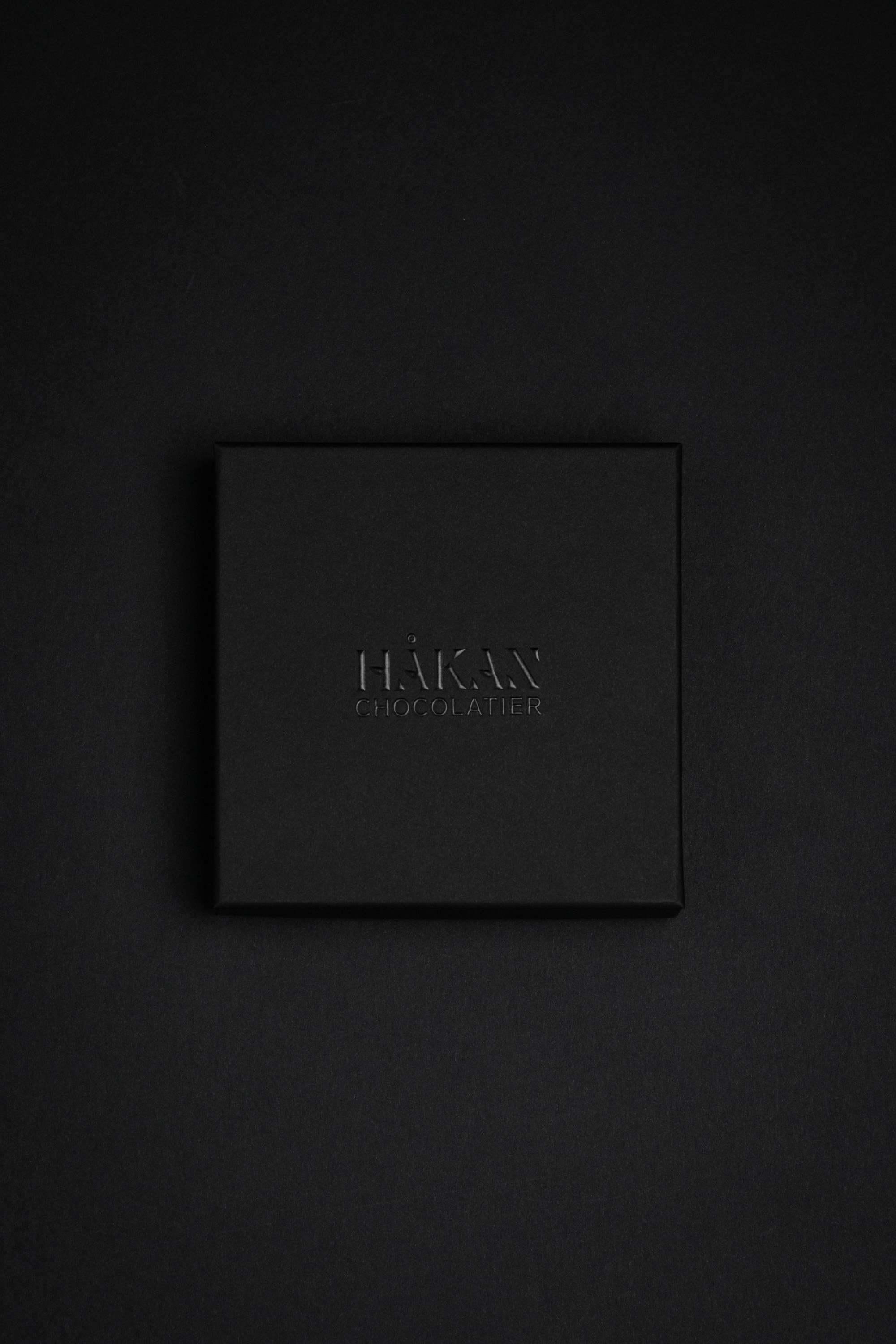
What makes a luxury unboxing experience memorable?
September 2026
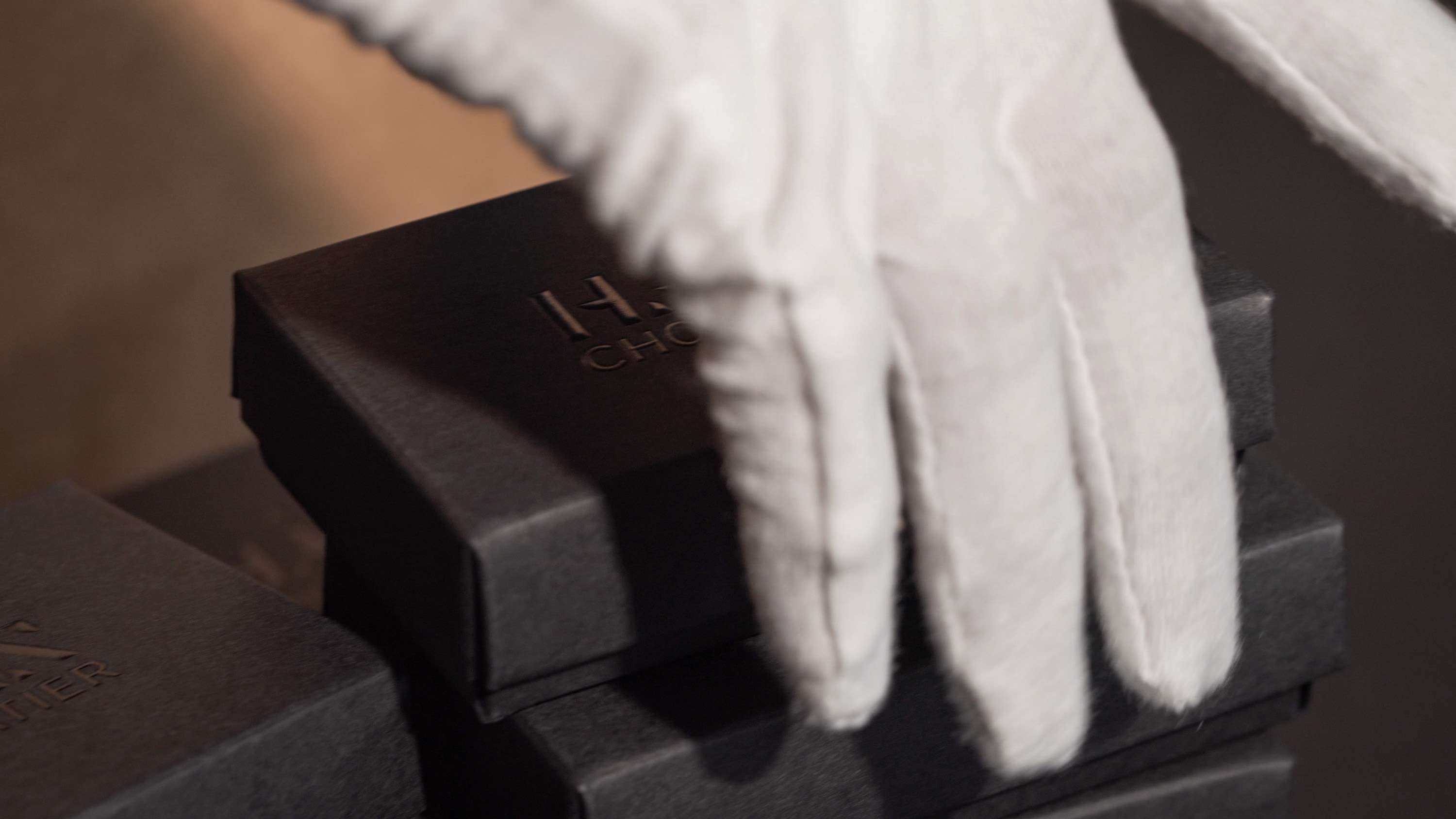
The artwork gets the budget. The memory gets made somewhere else.
Nobody describes a box they liked by telling you about the Pantone. They tell you how it moved: the lid that took a second to come away, the base that sank instead of dropping, the fitting that released the bottle without a fight. That is all structure, and all of it is settled before any artwork exists.
The first second is friction
A lid that lifts away freely tells you nothing. A lid that resists, then releases, tells you the two halves were made for each other. The difference is a few thousandths of an inch in the wrap and in the tolerance the base was cut to, and it is the most reliable way there is to make a box feel expensive.
The window is narrow. Slightly tight and people tug, and the wrap gives up at a corner. Slightly loose and the lid arrives already off. Which is why the fit gets settled on a physical sample, with a hand on it, rather than in a drawing.
Weight lands before anything else
People register mass before they have consciously looked at anything. A shell built on heavy greyboard sits in the hand differently from one built on thin board carrying exactly the same print, and everybody feels the difference even though almost nobody can name it.
Heavier is not automatically better. A box that outweighs what it holds reads as compensation. The right weight is the weight that matches the product, and that is a judgment made with the real product sitting in the real box.
A box that outweighs what it holds reads as compensation.
One thing at a time
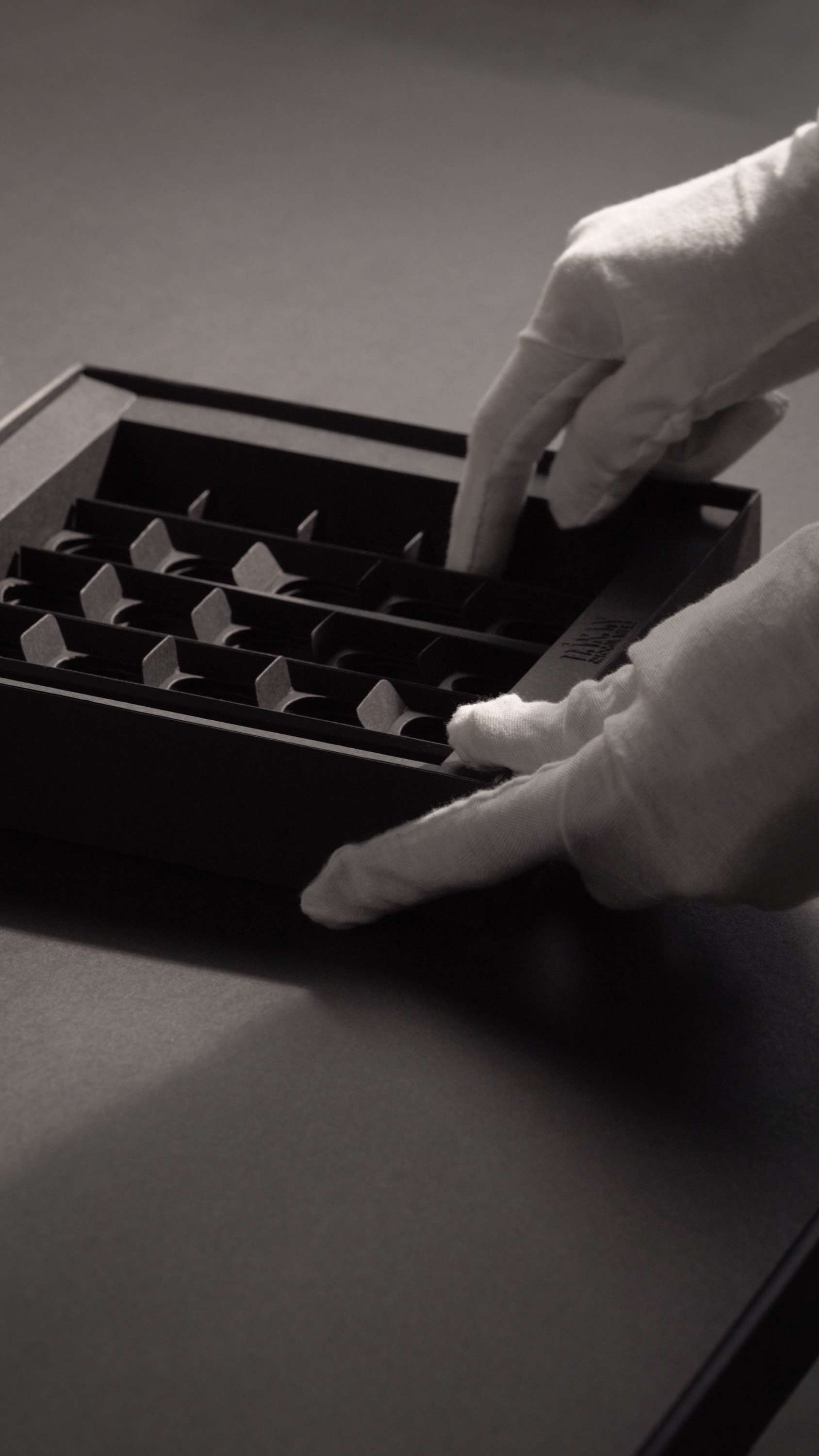
A box that shows you everything at once has spent its whole reveal in the first second. Layers buy time: printed tissue over the piece, a card that has to be lifted, a tray that comes out before the second tray appears.
We work to one decision per layer. Each layer gives the person exactly one thing to look at and one reason to keep going. Two layers with nothing between them is a delay rather than a reveal, and people read the difference instantly.
The fitting has to let go
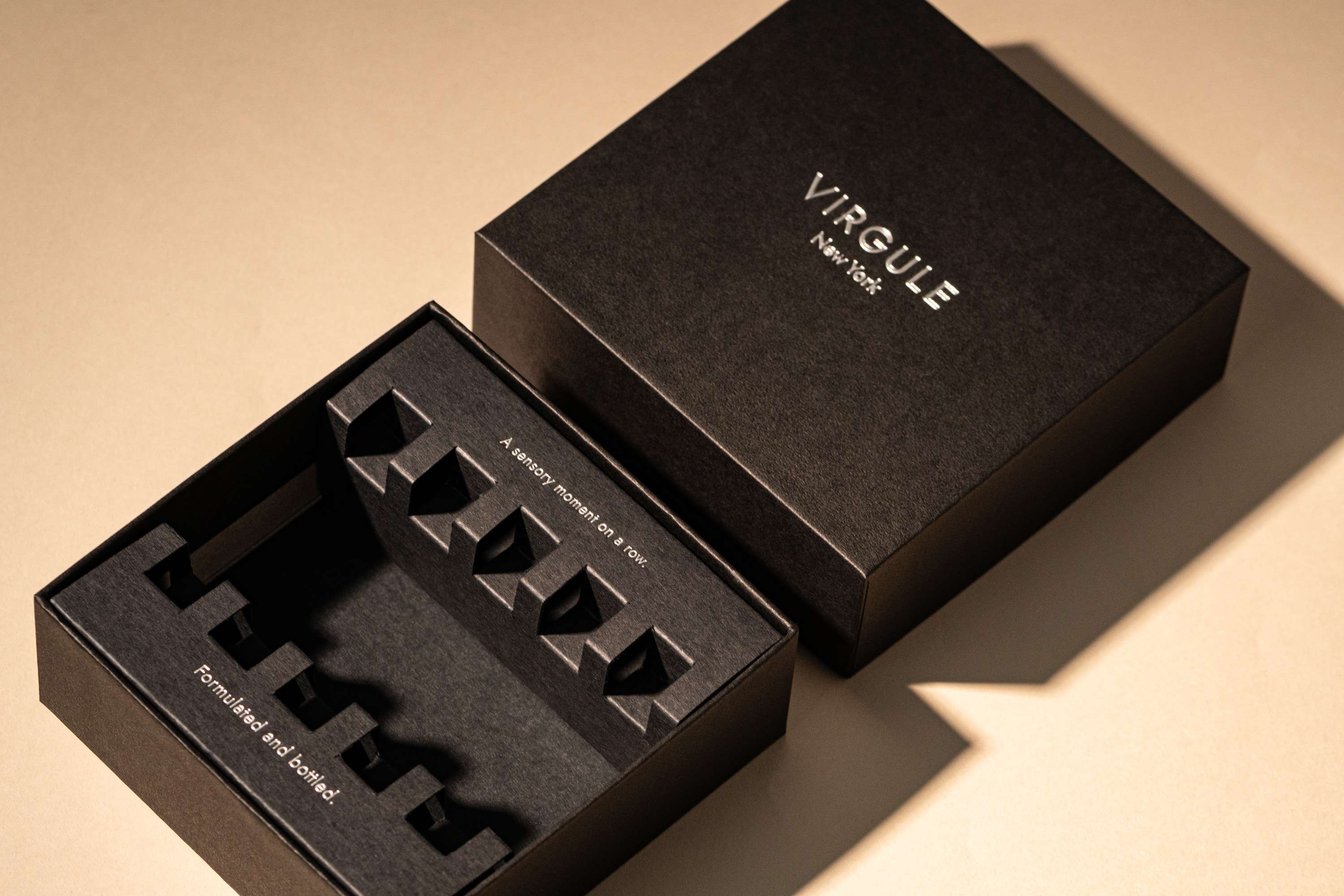
An insert has two jobs that pull against each other. Hold the piece through a thousand miles of freight. Then release it to someone standing at a kitchen counter with one hand free.
The good ones are cut a hair deeper than the piece and lined so the walls give slightly. The product comes out slowly rather than suddenly, and it goes back in without anyone having to aim. That second part matters more than it sounds: a fitting the product cannot easily return to is a fitting that guarantees the box gets thrown out.
The box people keep
The most useful measure of an unboxing is what has happened to the box a week later. On a shelf, in a closet, holding something else entirely: that box is still in the room, and it is still working.
Boxes get kept when they are worth keeping and useful enough to justify the space. Rigid construction, a closure that does not loosen with use, a footprint that stacks. None of it shows up in the photography, and all of it decides whether the packaging gets a second life or a single one.
Bring us the product.
Tell us what goes inside and we will tell you how we would build around it. Design is included in every project, and a physical sample follows, on the stock you will actually run.
Let's Talk
More questions
Three things, in this order: the fit of the closure, the weight of the board, and the way the product comes out of its fitting. All three are structural decisions made before any artwork exists. Print and finishing can make a box beautiful, but the sense that it was made properly comes from how it behaves in the hand.
Start from the product rather than the box. Measure what goes inside, decide what the person should see first and what should stay hidden until the next layer, then build the structure that enforces that order. OFF.PACKAGING builds a physical sample on production stock so the sequence gets judged by opening it rather than by looking at a rendering.
No. A folding carton with a well-cut fitting and a clean closure can open beautifully, and it costs less and ships flat. Rigid setup boxes hold their shape and their closure tension over years of reopening, which is why they are the usual choice when the packaging is meant to be kept.