How we build packaging
From product to box. One team, every stage.
Every OFF.PACKAGING project starts with the product rather than the box. We measure what goes inside, develop the structure around it, and design outward from there. One team owns it from the first conversation to the pallet. Seven steps sounds like a lot of process for a box. The result is a box worth the process.
01. Brief & Discovery
Before anything gets drawn, we need to know what the piece has to do. What goes inside it, how far it ships, who opens it, what it sits next to on a shelf.
Then the practical questions: audience, timeline, retail context, assembly requirements, shipping conditions, reorder frequency.
By the end of it you have a scope. What we are building, what it has to do, and which production route fits.
02. Structural Development
Engineering comes before aesthetics, not after. The insert configuration gets designed first, sized to the exact dimensions of what it holds. The insert sets the interior. The interior sets the exterior.
Structure decides cost, shipping performance, and which finishes are even possible. Solve it late and the artwork ends up paying for it.
03. Graphic Design & Artwork
Once the structure is locked, the visual system gets built on top of it: layout, typography, Pantone specification, foil and emboss placement, dieline preparation.
Files are built to run on a press. Trap, bleed, and registration tolerances get resolved in the file rather than discovered at plate-making.
04. Sampling & Approval
A render can flatter anything. So we make the actual box, on the actual stock, with the actual finish and inserts, in our Brooklyn factory, and send it to you.
If something is off, we change it and make another. That takes days here. Nothing moves to production until you have approved a physical piece.
05. Manufacturing
Production runs in Brooklyn or through our global partners. The project decides: material, finish complexity, timeline.
The specification does not change with the location. The approved sample is the benchmark either way, and one team manages both.
06. Quality Control
Every run gets checked against the approved sample rather than against the artwork file. Structural integrity, finish quality, color accuracy, insert fit, assembly consistency.
On global runs we inspect on site or manage third-party QC to the same standard, against the same physical piece.
07. Delivery
Palletized, documented, customs cleared. We warehouse finished stock and release it on your schedule, by truck across the US or freight worldwide.
The specification stays on file, so the reorder matches the first run.
Timelines depend on route and complexity. Brooklyn production runs 4 to 6 weeks. Global production runs 10 to 12 weeks by ocean, 6 to 8 weeks by air. Your timeline goes into the proposal.
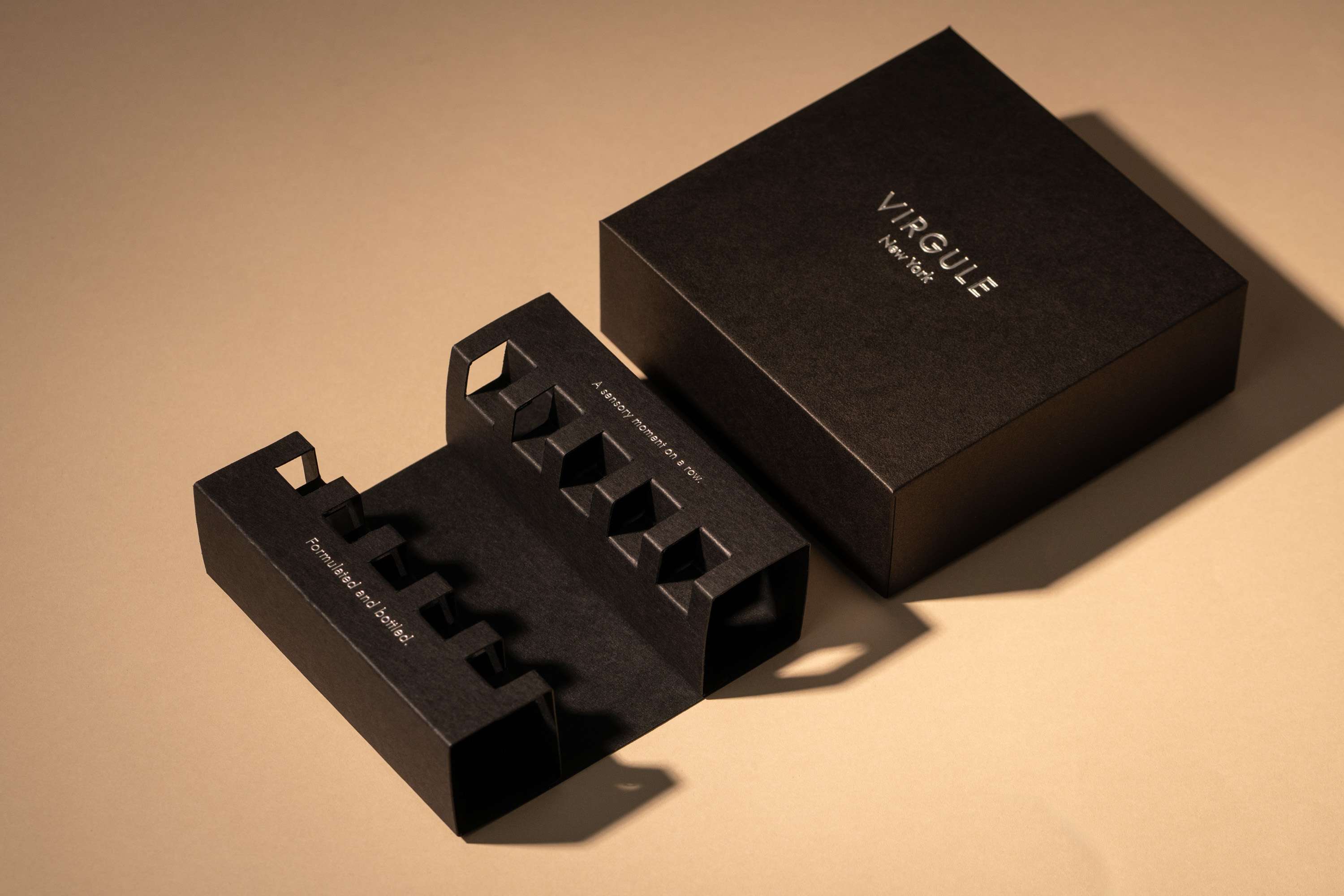
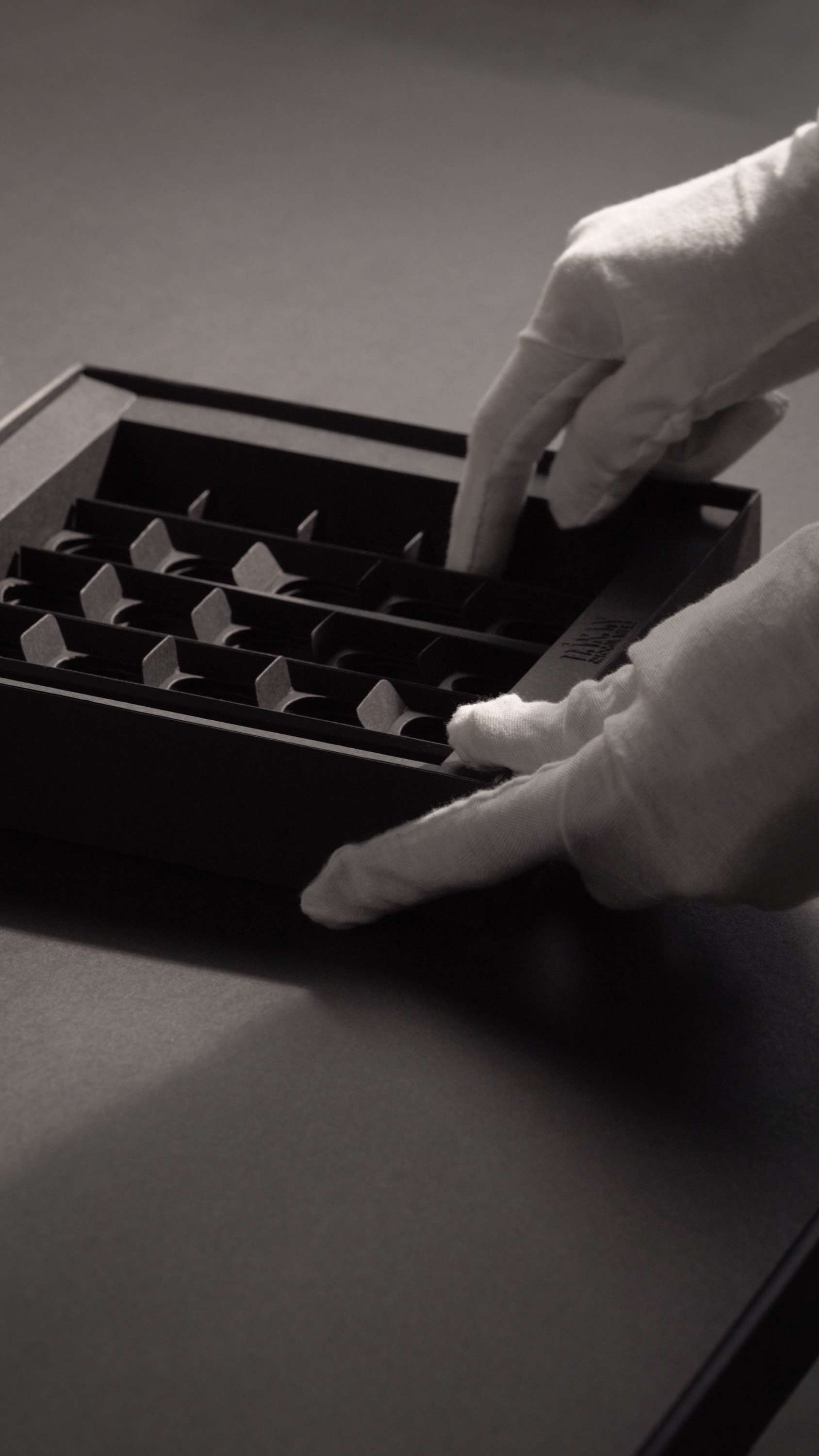
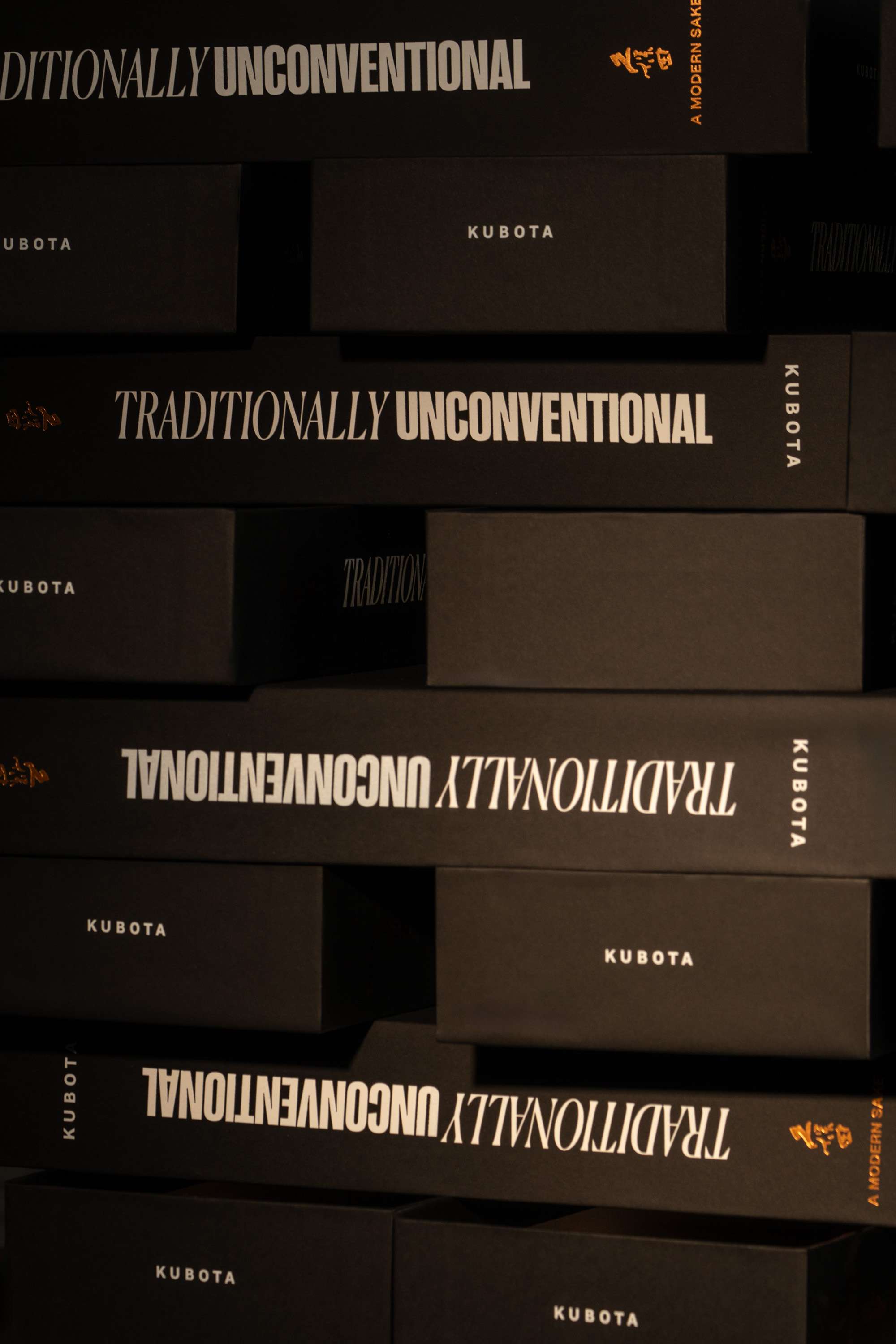
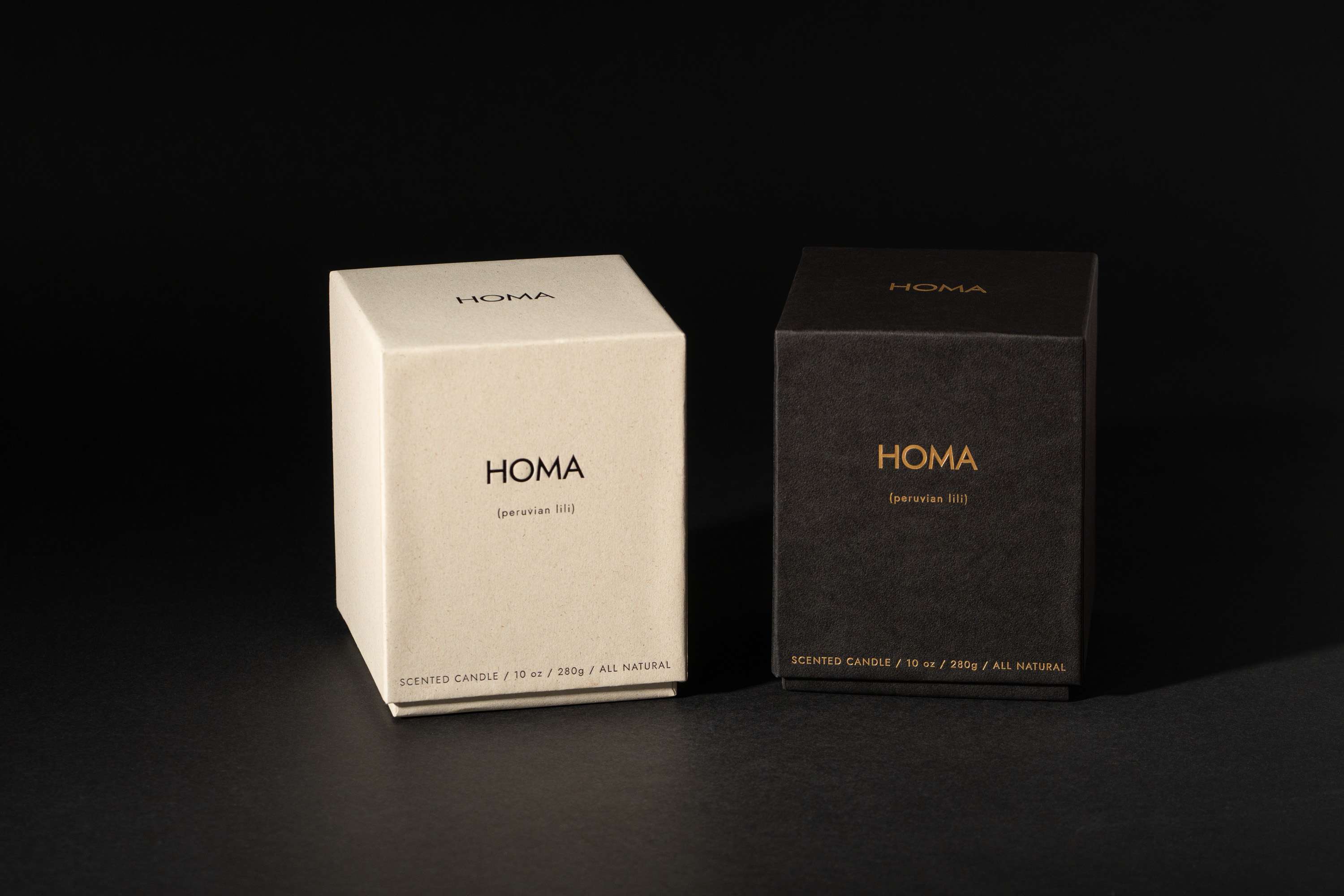
One team. Every stage.
One team owns every stage here. We start with the product, develop the packaging around it, sample it, manufacture it, and ship it.
Which means there is one number to call, and the person answering was in the room when the decision was made. No structure is fitted to an existing box: every piece is built for what it holds.
Small launch runs and ongoing high-volume production both work here. Tell us the quantity and we will route the project to fit it.
Let's Talk
From first conversation to delivered packaging is typically 8 to 16 weeks, depending on complexity and production route. Development, meaning brief through approved sample, takes 3 to 6 weeks. Brooklyn production adds 4 to 6 weeks. Global production adds 10 to 12 weeks by ocean, or 6 to 8 weeks by air. You get a detailed timeline at the proposal stage.
Tell us about the product you are packaging: dimensions, weight, and style. Share your brand direction, and any existing artwork, brand guidelines, or reference packaging. Starting from scratch is fine, since OFF.PACKAGING handles full design and development. The more context you give upfront, the faster we get from brief to first prototype.
Yes. Design is included in every OFF.PACKAGING project and covers structural engineering, dieline development, graphic design, material and finish specification, and production-ready artwork. We also work with brands that have their own design teams, supplying production-ready dielines and technical guidance so their designers work within the correct manufacturing framework.
Often, and it is some of the best work. Everything OFF.PACKAGING makes is custom, so an agency arriving with a direction rather than a dieline is a normal place to start. We build the structure around the idea, send back production-ready dielines and material options, and stay in it through artwork so the press file and the design agree with each other.
Yes, and we will probably have ideas. Send the piece or the drawings and we will match the construction. Then, because we will have had it in our hands, expect a note or two on where it could go further: a wrap that could sit tighter, a board that could carry the weight more convincingly, a fitting that could let the product go more slowly. Take them or leave them. The piece you approve is the piece we make.
Pricing depends on packaging type, size, materials, finishing complexity, and order quantity. Rigid setup boxes typically range from $1.50 to $8 per unit at production volumes. Folding cartons are generally less per unit. Every OFF.PACKAGING proposal carries a detailed cost breakdown.
Our standard minimum is 1,000 units across formats. PR kits and marketing campaign packaging are the exception and can run lower. Tell us your quantity and we will tell you which production route fits it.
Yes, send it over. A good share of what we build is for launches nobody has heard about yet, and the work stays off our site and out of conversation until the brand says otherwise.